
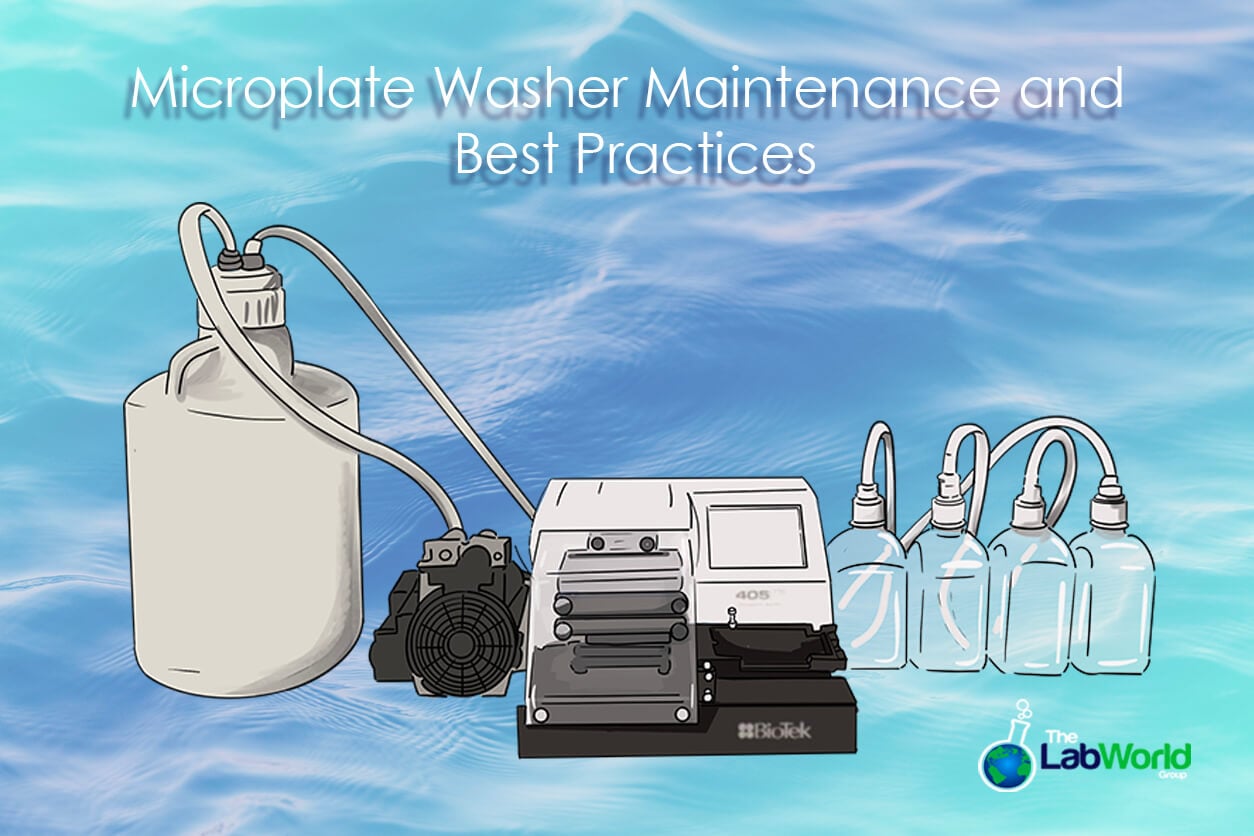
Microplate Washer Maintenance and Best Practices
Amanda2026-03-06T15:53:37+00:00Microplate washers are designed to deliver consistent, reproducible washing across a wide range of assays, but like all precision laboratory instruments, their performance depends heavily on proper care. Inconsistent maintenance can lead to clogged wash heads, uneven aspiration, increased background signal, and ultimately failed assays. Establishing routine maintenance and best practices helps protect both instrument longevity and data integrity.
This article outlines practical maintenance habits and operating best practices that laboratories can use to keep microplate washers performing reliably.
Why Microplate Washer Maintenance Matters
Microplate washers play a direct role in assay quality. Even minor issues—such as partially blocked needles or residual liquid left in wells—can introduce variability into results. Over time, neglected maintenance increases the likelihood of inconsistent washing, reagent carryover, and unexpected downtime.
Regular cleaning and inspection help prevent these problems and extend the instrument’s useful life. In high-use environments, proactive maintenance is often far less disruptive than troubleshooting an instrument failure during a critical assay run.
Daily and Routine Cleaning Practices
Routine cleaning is one of the most effective ways to maintain washer performance. Many issues can be avoided by incorporating simple habits into daily or per-run workflows.
After use, flushing the system with distilled or deionized water helps remove residual buffer, salts, and proteins that can accumulate in tubing and wash heads. Reagent reservoirs should be emptied, rinsed, and allowed to dry when not in use. Wiping down external surfaces and visually inspecting the wash head for residue or damage can help identify issues early.
Following the manufacturer’s recommended shutdown procedures ensures that internal components are not left exposed to drying reagents or air bubbles that may affect subsequent runs.
Preventing and Addressing Clogs
Clogged dispense or aspiration needles are among the most common issues encountered with microplate washers. Buffers containing proteins, detergents, or particulates are frequent contributors to blockages, particularly when systems are not flushed regularly.
Using filtered reagents and ensuring buffers are fully dissolved before use can significantly reduce clog formation. Periodic cleaning or soak cycles with approved cleaning solutions help dissolve buildup before it becomes problematic. Proper adjustment of aspiration height also minimizes the risk of drawing debris into the wash head.
When clogs do occur, addressing them promptly helps prevent uneven washing and potential cross-contamination across wells.
Calibration and Performance Verification
Even when a microplate washer appears to be functioning normally, periodic performance checks are essential. Calibration ensures that dispense volumes, aspiration efficiency, and wash head alignment remain consistent over time.
Verifying that liquid is dispensed evenly across wells and that residual volume is within acceptable limits helps maintain assay reproducibility. In regulated or clinical environments, documentation of these checks may also support compliance and quality assurance requirements.
Regular verification provides confidence that assay results reflect accurate biological signals rather than instrument-related variability.
Best Practices for Assay-Specific Washing
Not all assays require the same washing approach. Optimizing wash parameters for each assay type is just as important as maintaining the instrument itself.
ELISA workflows often benefit from multiple wash cycles with defined soak times to reduce background noise. In contrast, cell-based assays typically require gentler washing to avoid disturbing or detaching cells. Bead-based assays may require careful balancing of wash strength to remove unbound material without losing beads.
Taking the time to tailor wash protocols to specific applications helps maximize assay performance and reduces the likelihood of repeat runs.
Long-Term Care and Preventive Maintenance
In addition to daily cleaning, microplate washers benefit from scheduled preventive maintenance. Over time, tubing, seals, filters, and other consumable components may degrade and require replacement.
Deep cleaning procedures performed at regular intervals help remove buildup that routine flushing may not address. For instruments with software or firmware components, ensuring updates are applied when appropriate can also improve performance and reliability.
Preventive maintenance helps labs avoid unexpected failures and supports consistent long-term operation.
Troubleshooting Common Microplate Washer Issues
Despite best efforts, occasional issues may still arise. Uneven washing across wells may indicate misalignment or partial blockage, while excess residual liquid can suggest an aspiration height or vacuum setting that needs adjustment. Dripping or leakage may point to worn tubing or seals.
Recognizing these signs early allows for corrective action before assay quality is compromised. When issues persist, consulting service documentation or qualified technicians helps ensure safe and effective resolution.
Maintaining Refurbished and Older Microplate Washers
Refurbished and older microplate washers can continue to perform reliably when properly maintained. In many cases, these instruments benefit even more from consistent cleaning and inspection, as components may have experienced prior wear.
Ensuring that replacement parts remain available and that instruments have been adequately tested and calibrated helps extend their usable life. With appropriate care, refurbished washers can provide dependable performance for many years.
Conclusion
Microplate washer maintenance is a critical component of reliable laboratory workflows. Routine cleaning, thoughtful protocol optimization, and proactive preventive care help ensure consistent washing and protect assay integrity.
By adopting best practices and addressing minor issues before they escalate, laboratories can reduce downtime, improve reproducibility, and maximize the value of their microplate washers. Proper maintenance is not just about protecting equipment—it’s about protecting results.